 English
 中文简体
中文简体 Español
Choosing safer household glass mainly depends on material type, impact resistance, and proper installation standards.Compared with ordinary glass, tempered glass, laminated glass, and insulated safety glass offer much higher safety performance in terms of impact resistance, shatter resistance, and injury prevention, making them the recommended choices for modern home decoration.Scientific material selection and standardized installation are the key to ensuring household safety.
Content
Where do household glass safety risks come from?
In home environments, glass-related safety hazards mainly arise from:Ordinary glass breaking easily、Formation of sharp fragments after breakage、Risk of falling glass from height、Thermal expansion and contraction leading to bursting、Collision risks involving children and the elderly.These risks mean that household glass selection should not focus only on aesthetics, but must place greater emphasis on safety performance.
Recommended safer types of household glass
Tempered glass (toughened glass):
Features:Strength is 3–5 times higher than ordinary glass、Breaks into blunt, granular particles after shattering、Significantly reduced injury risk;Suitable applications:Balcony doors and windows、Shower enclosures、Glass partitions、Sliding doors
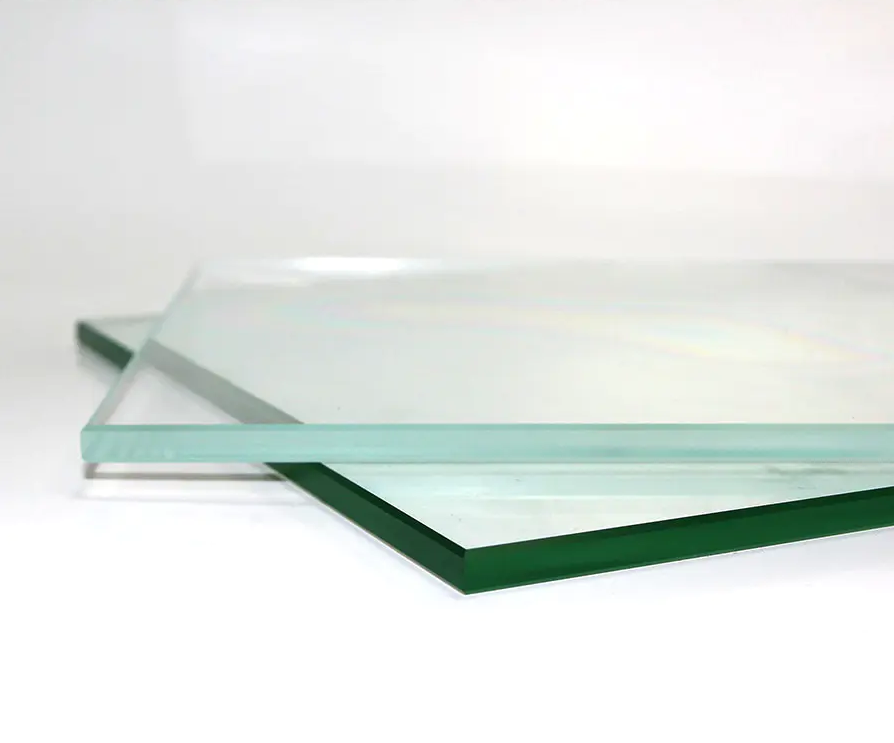
Laminated glass:
Features:PVB interlayer sandwiched between glass layers、Does not shatter or、scatter when broken、Maintains overall structural integrity;Safety advantages:Prevents falling、Prevents penetration、Reduces blast and shatter injury risks;Suitable applications:High-rise windows、Floor-to-ceiling windows、Glass railings、Stair handrails
Insulated safety glass (double/triple glazing):
Structural features:Double or multi-layer glass structure、Middle layer filled with air or inert gas;Advantages:Thermal insulation、Sound insulation and noise reduction、Higher overall strength;Suitable applications:Exterior window systems、Balcony windows、Curtain wall windows.
Comparison of safety performance of different household glass types
| Type | Strength | Impact Resistance | Injury Prevention | Safety Level |
| Ordinary glass | Low | Poor | Poor | Low |
| Tempered glass | High | Medium | Medium | Medium–High |
| Laminated glass | High | High | High | High |
| Insulated safety glass | High | High | High | High |
Key indicators for safe household glass selection:Whether it is a certified safety glass product、Whether the thickness meets standards (≥ 6 mm is safer)、Whether it has CCC certification、Whether it has a tempering mark、Whether it complies with architectural safety glass standards
Material selection recommendations for different home areas
Living room / balcony:Recommended: Laminated glass, insulated safety glass;Reason: Fall prevention, explosion/burst risk reduction
Bathroom:Recommended: Tempered glass;Reason: Shatter resistance, moisture and thermal shock resistance
Bedroom windows:Recommended: Insulated safety glass;Reason: Dual needs of sound insulation + safety
Stair railings:Recommended: Laminated glass;Reason: Structural safety and fall prevention
Even high-quality glass can be dangerous if installation is improper:Missing cushioning pads、No edge protection structures、Insufficient frame strength、Weak fixing structures
Real-world observation:Most household glass accidents are not caused by poor glass quality, but by non-standard installation practices, leading to structural stress concentration and breakage.
Practical purchasing advice for household glass :Prioritize safety glass types、Avoid uncertified products、High-risk areas must use laminated glass、Do not blindly pursue ultra-thin glass、Choose reputable brands and manufacturers
The core of safe household glass selection lies in the three-in-one principle:“Material type + safety structure + standardized installation.”From a long-term household safety perspective, tempered glass, laminated glass, and insulated safety glass should be the priority choices.In home decoration, glass is not just a decorative material — it is an essential part of the home safety system.