 English
 中文简体
中文简体 Español
Choosing safe household glass depends on the matching of material type, structural process, and application scenarios. Different areas have different safety level requirements for glass. For example, doors and windows, balconies, partitions, bathrooms, and guardrails have significantly different requirements for impact resistance, shatter resistance, and fall-prevention capability. Scientific selection of household glass not only affects living comfort, but also directly impacts the safety of family members, especially the elderly and children.
Content
Safety performance differences of different types of household glass
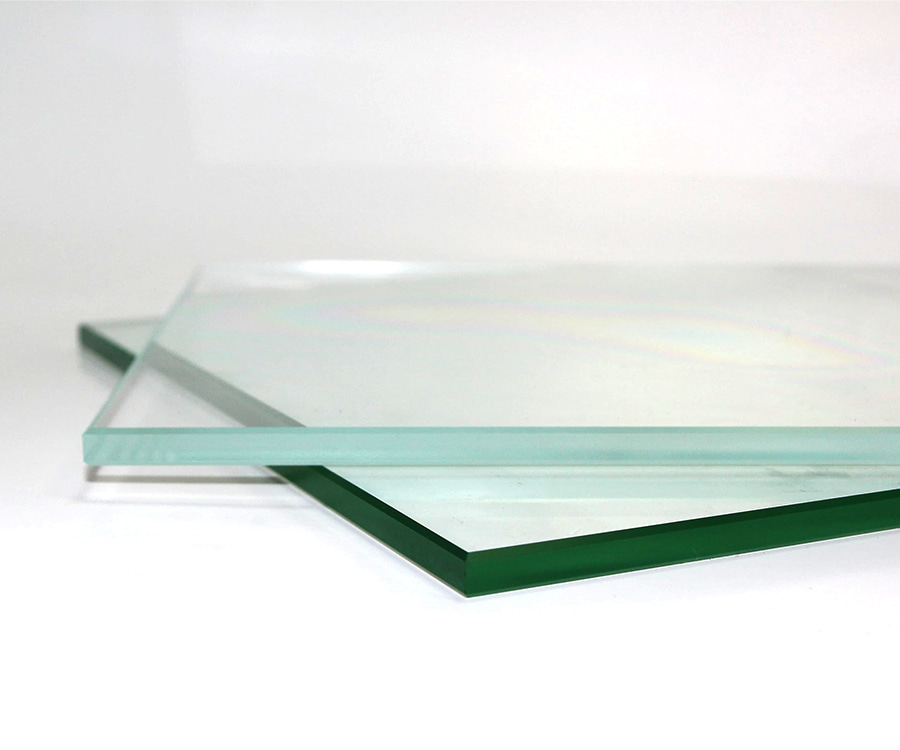
Tempered glass: high strength and explosion resistance: Strength is 3–5 times that of ordinary glass, breaks into blunt-angle granules, not easy to form sharp fragments, strong impact resistance, suitable for doors and windows, balconies, shower rooms
Laminated glass: fall-prevention safety structure: PVB interlayer film in the middle, does not fall off after breaking, has integral bonding properties, strong penetration resistance, suitable for guardrails, high-rise windows, skylights
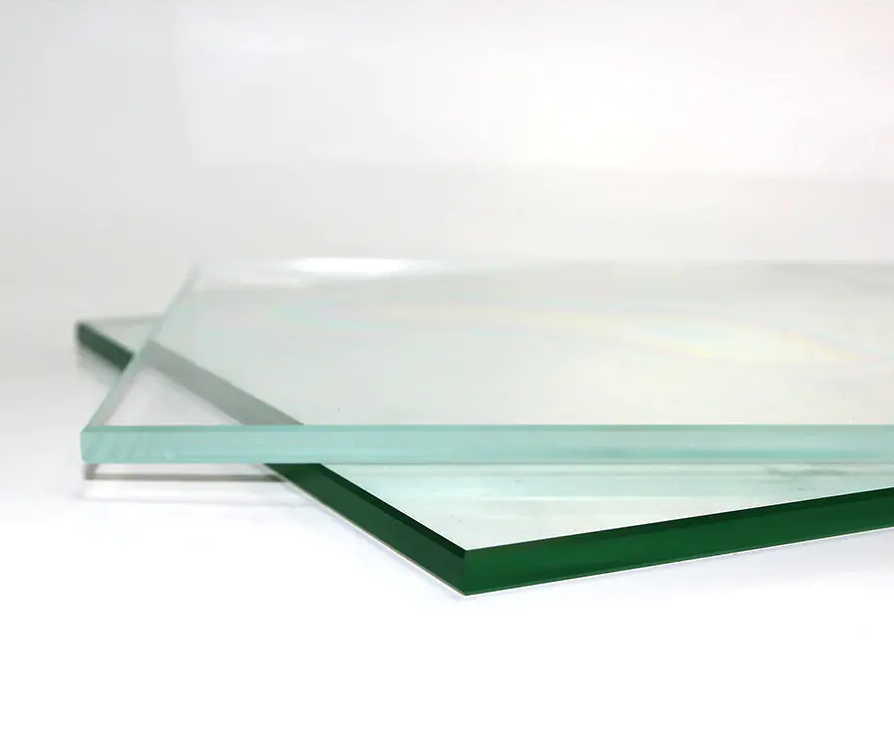
Insulating glass: dual attributes of safety + energy saving: Multi-layer structure, good sound insulation and thermal insulation performance, can be combined with tempered and laminated glass, improves overall structural stability
Safety selection recommendations for different household spaces
| Use area | Recommended glass type | Safety reason |
| Balcony | Laminated tempered glass | Fall prevention, impact resistance |
| Bathroom | Tempered glass | Explosion resistance, scratch resistance |
| Doors and windows | Insulating tempered glass | Safety + sound insulation + thermal insulation |
| Stair guardrails | Laminated glass | Prevent breakage and falling |
| Kitchen partitions | Tempered glass | Thermal shock resistance |
| Skylight | Laminated insulating glass | Prevent falling-object risk |
Safety is not only related to type, but also directly related to thickness: 5mm tempered glass: suitable for ordinary partitions; 8mm tempered glass: suitable for doors, windows, shower rooms; 10–12mm tempered glass: suitable for guardrails, balcony enclosures; Common laminated glass structures: 5+5, 6+6, 8+8. The greater the thickness, the stronger the impact resistance and structural stability.
Key points when purchasing household glass: 3C certification mark, national tempered glass standard (GB 15763), building safety glass standards, product test reports, manufacturer quality certification systems. Glass without certification has safety risks, especially unsuitable for high-altitude areas.
High-safety-grade household glass usually has: fine polished edges, chamfering process, anti-cut edges, surface scratch-resistant treatment, explosion-proof film auxiliary protective layer. Rough-edged glass is more prone to crack propagation and hidden cracks.
Special selection suggestions for families with structural risk groups
Families with children: prioritize laminated glass, avoid large areas of ordinary glass, add protective films
Families with elderly people: choose shatter-resistant structural glass, anti-slip and anti-collision design, low-reflection glass to reduce glare
Analysis of common purchasing misconceptions
Common misconceptions: Believing “the thicker, the safer,” while ignoring structural type; Using ordinary glass to replace safety glass; Ignoring installation structural stability; Ignoring national safety standard certification; Only looking at price, not at grade
Conclusion
The safety of household glass is not simply “choosing a good piece of glass,” but a systematic safety design project. From material structure, product standards, installation methods to the use environment, every link affects the final safety. Only by reasonably selecting combinations of tempered glass, laminated glass, and insulating structural household glass can a true balance be achieved between aesthetics, practicality, and safety. In home decoration and building material selection, safety household glass is not a cost expense, but a long-term investment in family safety protection.