 English
 中文简体
中文简体 Español
The right decorative glass is chosen by first identifying its functional role — privacy, light control, safety, or pure aesthetics — and then selecting a type and finish that serves that role while complementing the surrounding design. Skipping the functional assessment and choosing solely on appearance is the most common mistake, often resulting in glass that looks beautiful but performs poorly in its intended space.
Decorative glass is used across a wide range of applications: interior partitions, cabinet doors, shower enclosures, balustrades, staircase panels, appliance fascias, and commercial storefronts. Each context has different requirements for light transmission, durability, safety, and visual effect.
Content
Main Types of Decorative Glass and Their Applications
| Glass Type | Key Properties | Typical Applications |
|---|---|---|
| Frosted glass | Diffuses light, provides privacy, smooth surface | Bathroom partitions, office dividers, cabinet doors |
| Silk screen printed glass | Custom patterns/images fired onto surface; durable | Facades, feature walls, interior partitions, commercial spaces |
| Appliance panel glass | Tempered, smooth finish, scratch-resistant coating | Refrigerators, ovens, washing machine fronts |
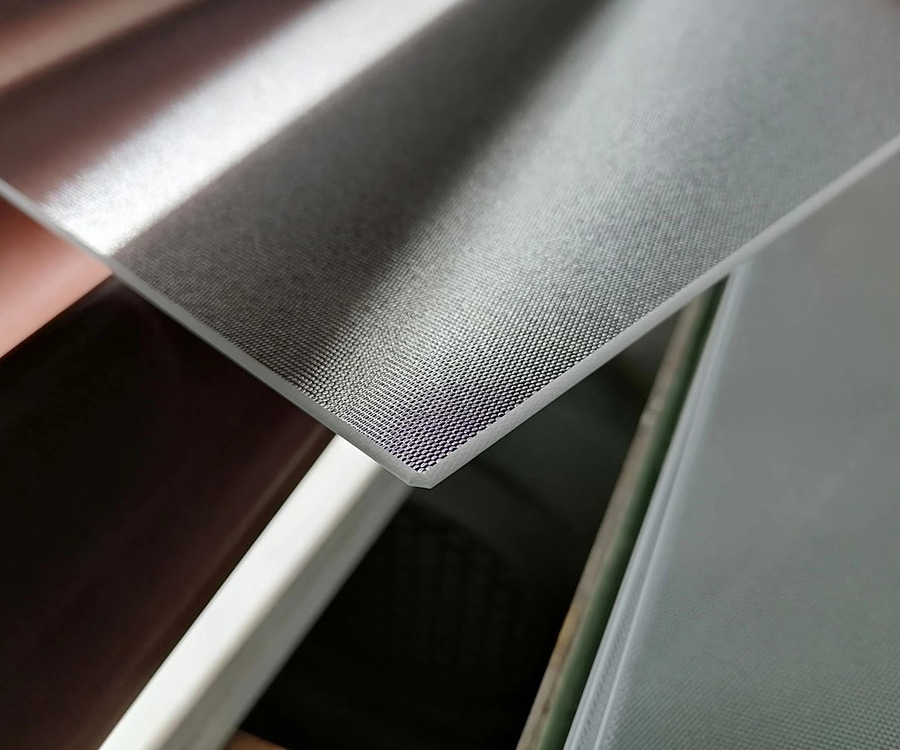
| Textured/patterned glass | Surface relief creates visual effect; partial privacy | Window glazing, shower screens, decorative panels |
| Lacquered / back-painted glass | Opaque color, high gloss, fully customizable hue | Kitchen splashbacks, feature walls, furniture surfaces |
| Laminated decorative glass | Interlayer with fabric, foil, or pattern; safety-rated | Staircases, balustrades, skylights, feature partitions |
Silk Screen Printed Glass: Design Without Limits
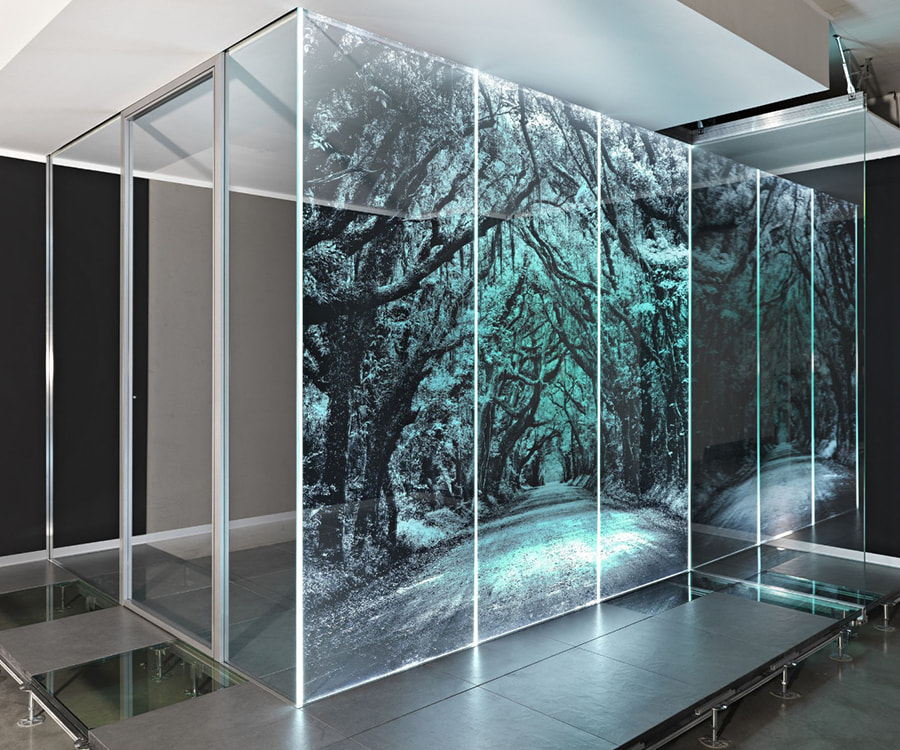
Silk screen printed glass uses ceramic ink applied through a mesh screen and then kiln-fired at temperatures above 600°C, permanently fusing the pattern into the glass surface. The result is a design that will not peel, fade, or scratch under normal conditions — making it far more durable than adhesive vinyl or film alternatives.
This type of glass can carry geometric patterns, photographic imagery, text, or organic textures. It can range from fully opaque prints (for privacy or solid color effects) to semi-transparent dot or line patterns that allow light through while creating visual interest. It suits both contemporary and classical styles, from minimalist monochrome grids to ornate traditional motifs.
Appliance Decorative Panel Glass: Where Function Meets Design
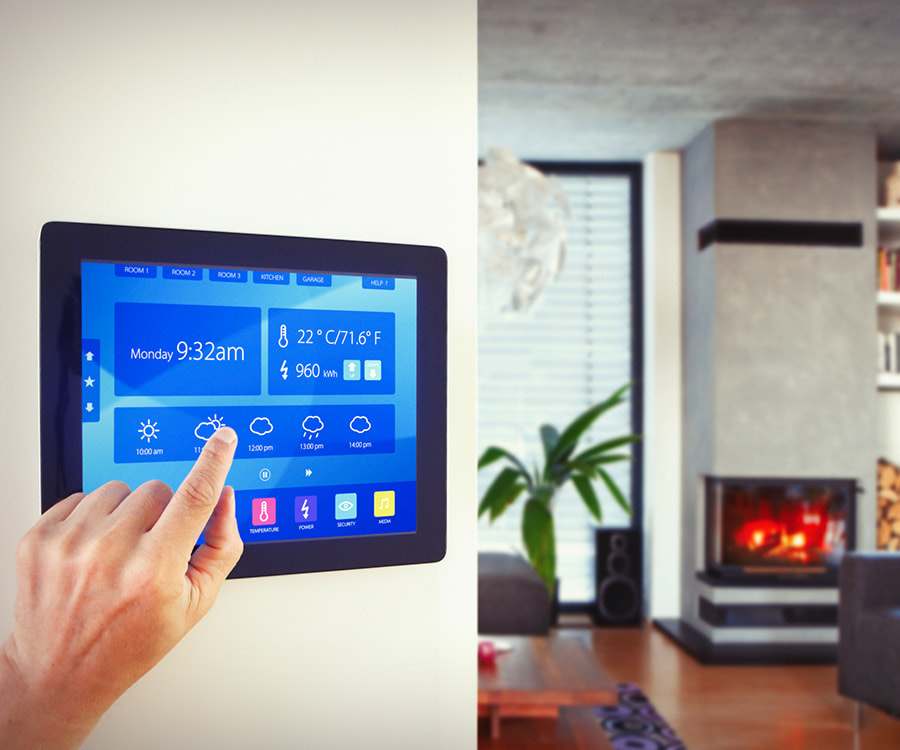
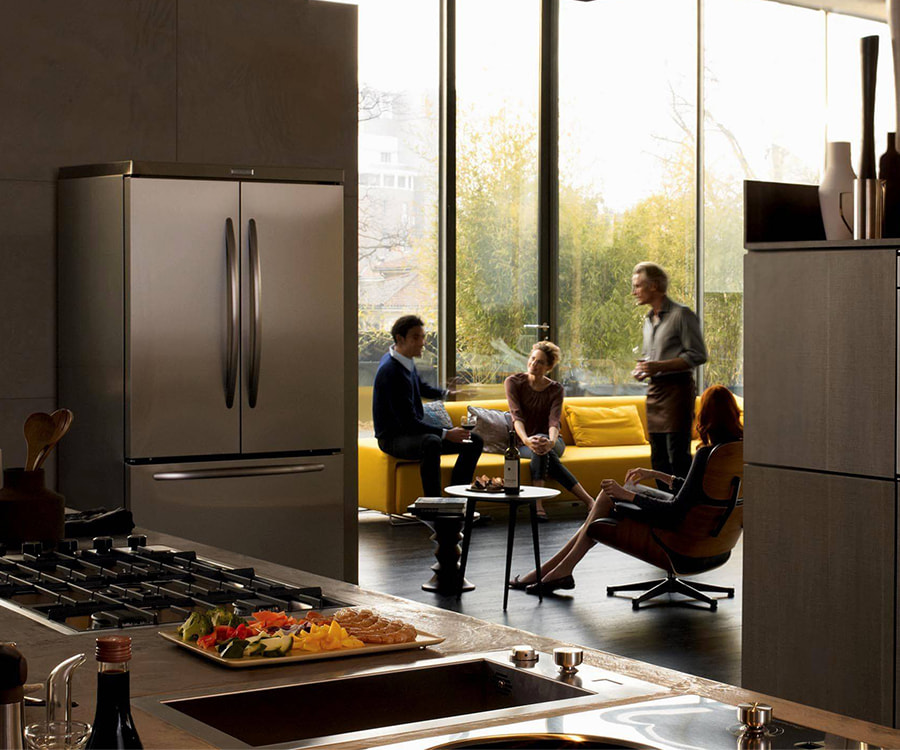
Appliance decorative panel glass represents the intersection of industrial and interior design. Applied to the fronts of kitchen and laundry appliances, this glass is tempered to withstand daily contact, heat variations, and cleaning agents while presenting a visually sophisticated surface.
The glass can be produced in pure colors, gradient effects, metallic finishes, or translucent tones that create depth and reflect ambient light differently depending on the time of day. This flexibility allows manufacturers to offer appliances that complement — rather than interrupt — a designed kitchen environment.
Key Factors to Evaluate When Choosing Decorative Glass
Safety Rating
In any application where people could fall into or against the glass — shower screens, balustrades, full-height partitions, or low-level glazing — the glass must be tempered or laminated to meet safety standards. Tempered glass breaks into small, relatively safe fragments; laminated glass holds together when broken due to its interlayer. Verify compliance with local building codes before specifying.
Light Transmission Requirements
Consider how much natural light needs to pass through or be diffused. Clear decorative glass (e.g., lightly textured or lightly printed) maintains high light transmission — often 70–90%. Heavily frosted or fully opaque back-painted glass will block most or all natural light. In spaces reliant on daylight, semi-transparent options preserve brightness while still providing privacy or visual effect.
Maintenance and Cleanability
Smooth, non-textured surfaces are the easiest to clean. Heavily textured or deeply embossed glass can trap dust and residue in surface recesses, requiring more effort to maintain. For kitchen splashbacks and bathroom applications, prioritize surfaces with minimal surface relief and — if possible — an easy-clean hydrophobic coating.
Thickness and Structural Span
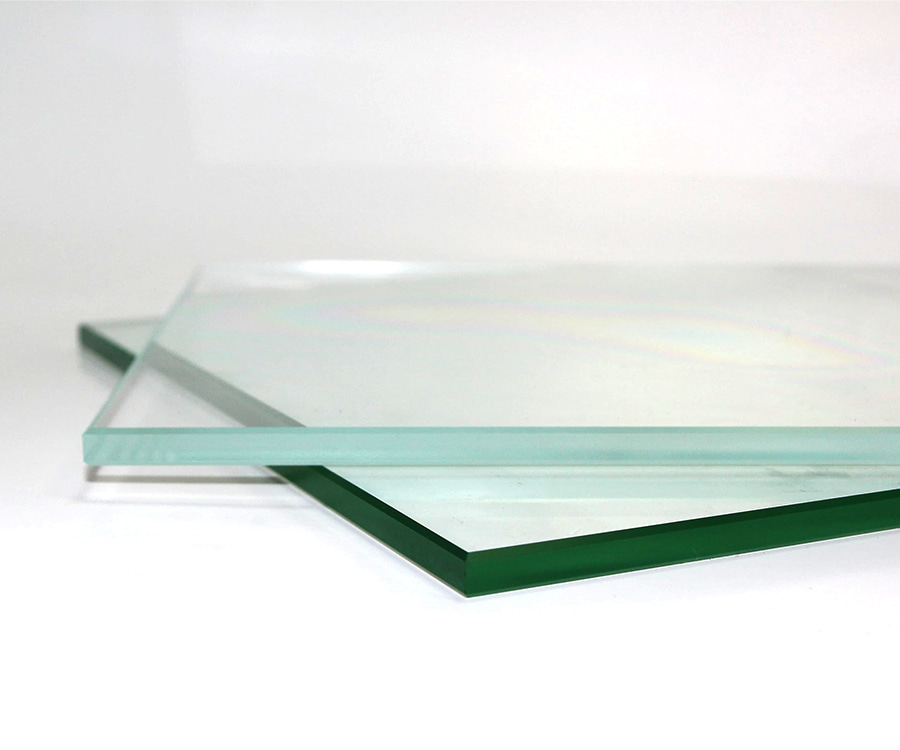
Glass thickness must be matched to the size of the panel and the loads it will bear. As a general guide: small decorative panels (up to 500 × 500 mm) can use 4–6 mm glass; larger interior partitions or architectural glazing typically require 8–12 mm tempered glass; structural applications may need 15–19 mm or laminated configurations.
Matching Glass Type to Design Style
- Contemporary / minimalist: Back-painted glass in solid neutral tones, or lightly frosted panels with clean edges.
- Industrial / urban: Wire glass or textured glass with raw, unpolished aesthetics; dark-tinted or smoked glass panels.
- Traditional / classical: Patterned lead glass effects or silk screen printed glass with ornate botanical or geometric motifs.
- Biophilic / natural: Laminated glass with natural fiber interlayers (bamboo, linen) or printed glass with organic nature-inspired patterns.
- Commercial / retail: Full-color silk screen printed glass for branded visual identity, directional signage integration, or large-format feature walls.