 English
 中文简体
中文简体 Español
Tempered glass is the better choice in most home applications where safety, durability, and resistance to breakage are priorities — including shower screens, oven doors, tabletops, cabinet panels, and appliance interfaces. Standard household glass remains appropriate for low-risk decorative uses such as picture frames and display cases where impact risk is minimal. The right answer depends on where and how the glass will be used, but for any surface that could be struck, loaded, or exposed to heat or moisture, tempered glass wins on every measurable safety and performance criterion.
Content
What Is Household Glass?
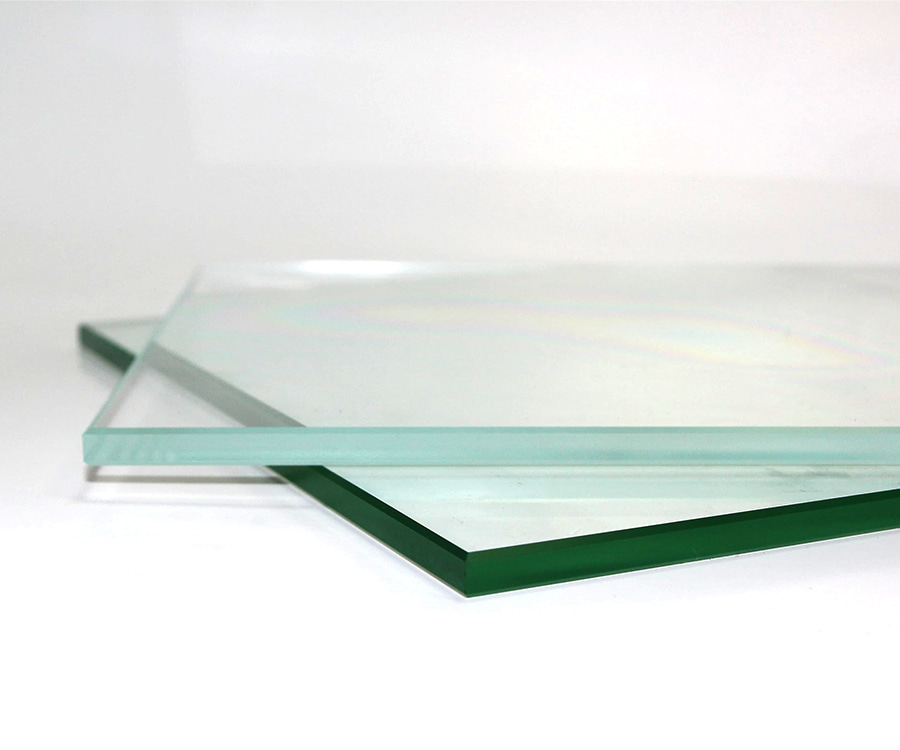
Household glass — also called standard float glass or annealed glass — is produced by floating molten glass on a bed of molten tin to create a flat, uniform sheet. It is then cooled slowly in a controlled process called annealing, which relieves internal stress. The result is a smooth, highly transparent material used across a wide range of home applications: appliance panels, cabinet doors, lighting shades, tabletops, and decorative elements.
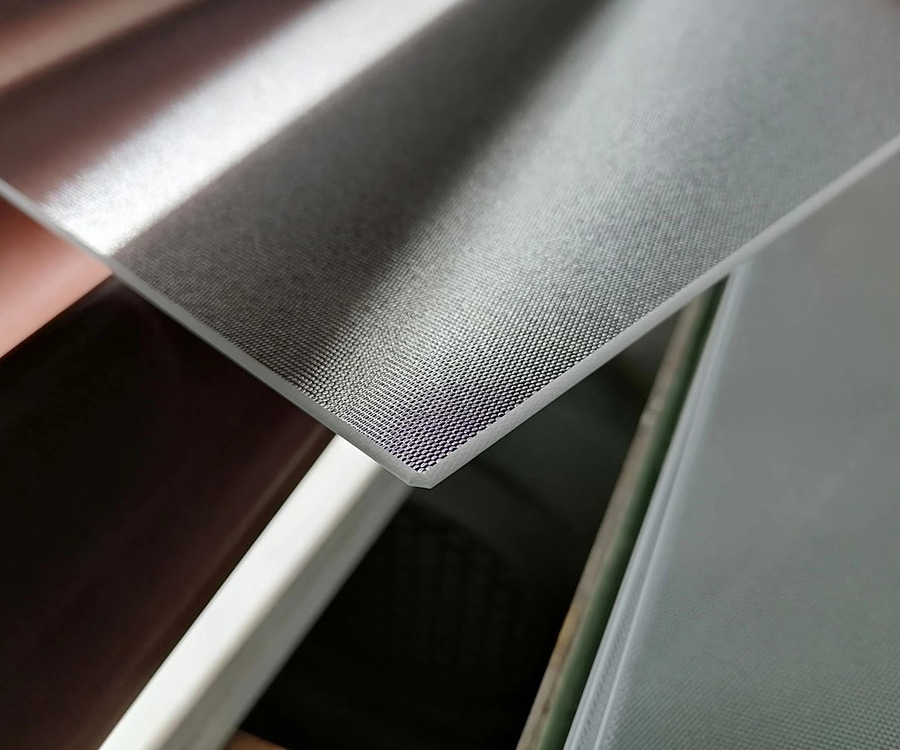
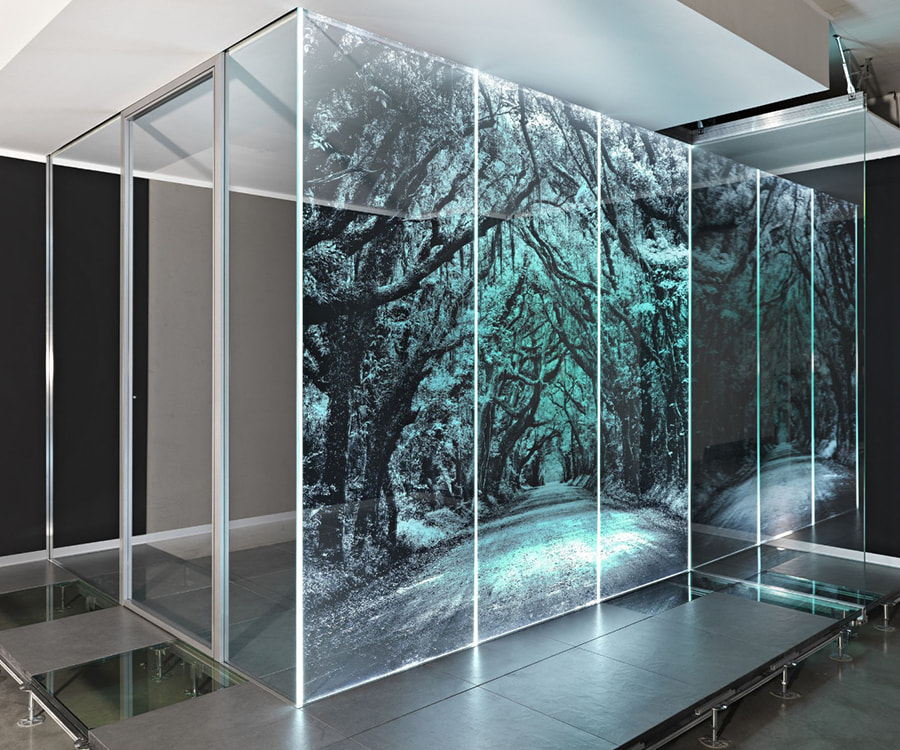
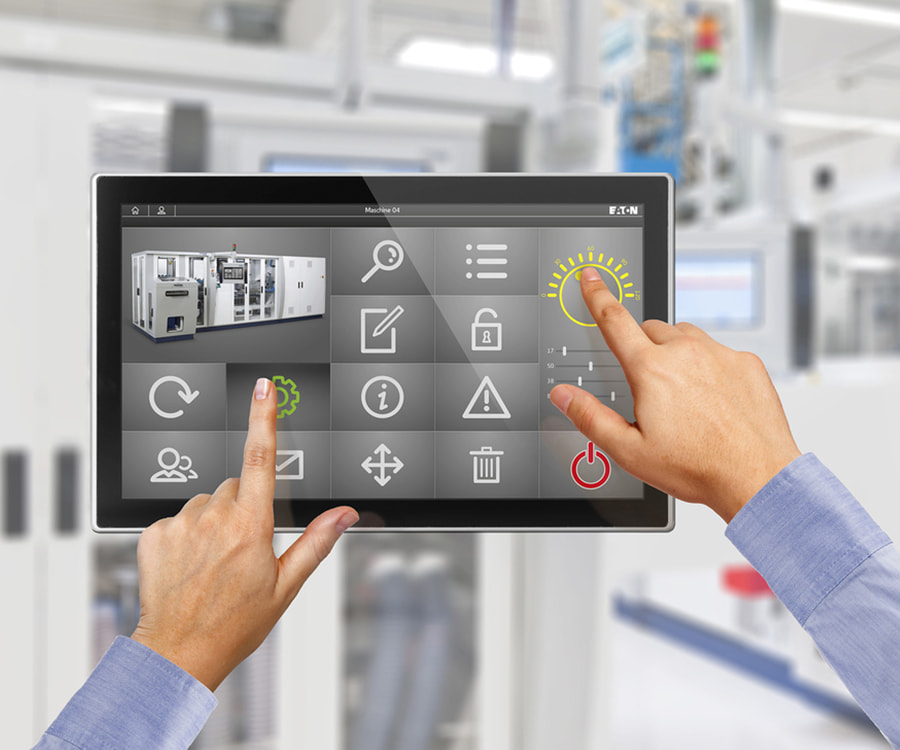
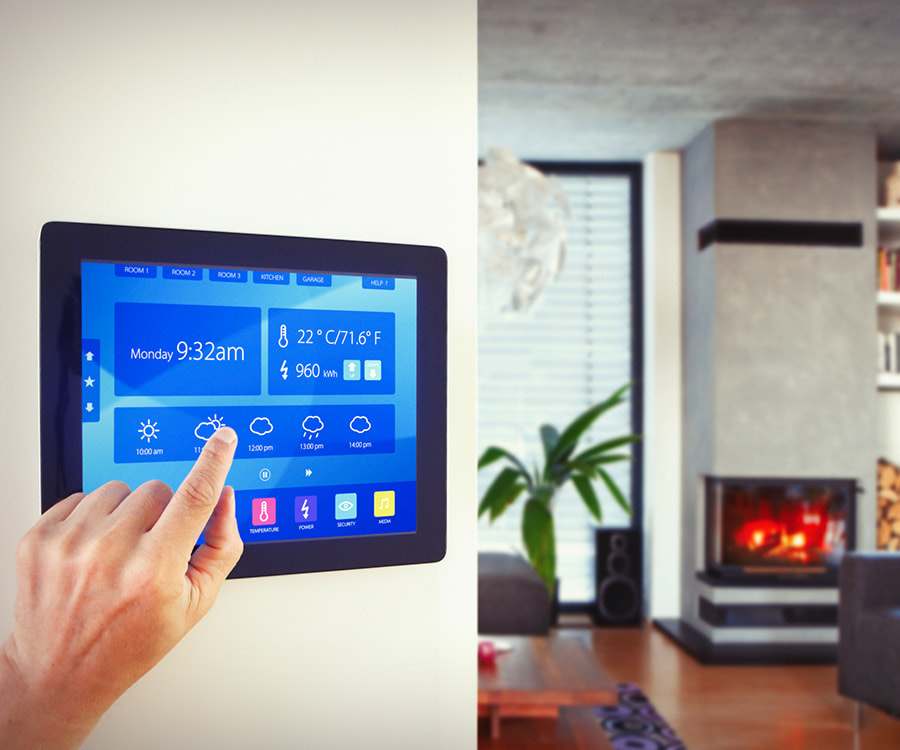
Modern household glass can be engineered with advanced properties including translucency, reflection, refraction, and integration with touch-sensitive or display technologies — making it a versatile and aesthetically flexible material for contemporary interior design. Some variants incorporate smart functions such as dimming, privacy control, and thermal regulation.
Its primary limitation is mechanical fragility: when standard glass breaks, it shatters into large, sharp shards that present a serious injury hazard.
What Is Tempered Glass?
Tempered glass begins as standard float glass but undergoes a secondary thermal treatment: it is heated to approximately 620°C and then rapidly cooled. This process creates a compression stress in the outer surfaces and tension in the core, which dramatically increases mechanical strength. The result is glass that is four to five times stronger than standard glass of the same thickness.
Critically, when tempered glass does break, it fractures into small, blunt-edged granules rather than sharp shards — significantly reducing the risk of laceration injury. This property makes it a mandatory safety material in many building codes and appliance standards worldwide.
Side-by-Side Comparison: Key Differences
| Property | Household (Annealed) Glass | Tempered Glass |
|---|---|---|
| Impact strength | Baseline (1×) | 4–5× stronger |
| Breakage pattern | Large sharp shards | Small blunt granules |
| Injury risk on breakage | High | Low |
| Thermal resistance | Up to ~60°C ΔT | Up to ~200°C ΔT |
| Post-production cutting | Yes — easily cut and drilled | No — must be cut before tempering |
| Cost | Lower | 20–50% higher |
| Optical clarity | Excellent | Excellent (slight distortion possible) |
| Required by building codes | For low-risk applications only | Mandatory in many applications |
Where Tempered Glass Is Required or Strongly Recommended
In many countries, building and safety codes mandate the use of tempered (or laminated safety) glass in high-risk locations. Common required applications include:
- Shower enclosures and bathroom screens
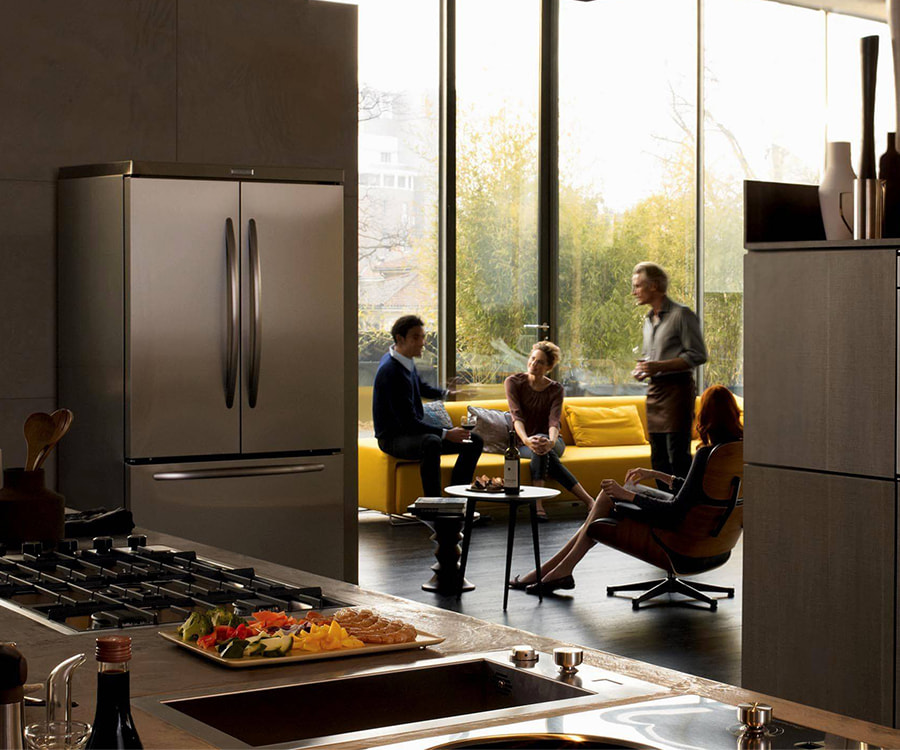
- Oven doors, microwave panels, and cooker hobs
- Glass tabletops, especially in homes with children
- Glass stair balustrades and handrail panels
- Floor-to-ceiling windows and sliding glass doors
- Cabinet doors in kitchens and utility rooms
Where Household Glass Remains the Practical Choice
Standard household glass retains advantages in specific contexts where safety glass is not required and customization is more important:
- Picture frames and display cases — low impact risk, easy to cut to custom sizes on-site
- Decorative lighting diffusers — where the glass form is complex and must be shaped after production
- Low-traffic display shelves in rooms without children or pets
- Smart glass applications — many switchable privacy, dimming, or touch-integrated glass systems are built on annealed float glass that is then laminated for safety
The Bottom Line: Which Should You Choose?
Choose tempered glass for any application involving heat, impact risk, load-bearing, or proximity to people — especially children. Its superior strength, thermal resistance, and safe breakage pattern justify the modest cost premium in most home environments. Choose standard household glass only where the application is decorative, low-risk, and requires post-production cutting or shaping that tempered glass cannot accommodate. When in doubt, the safer and longer-lasting option is always tempered.