 English
 中文简体
中文简体 Español
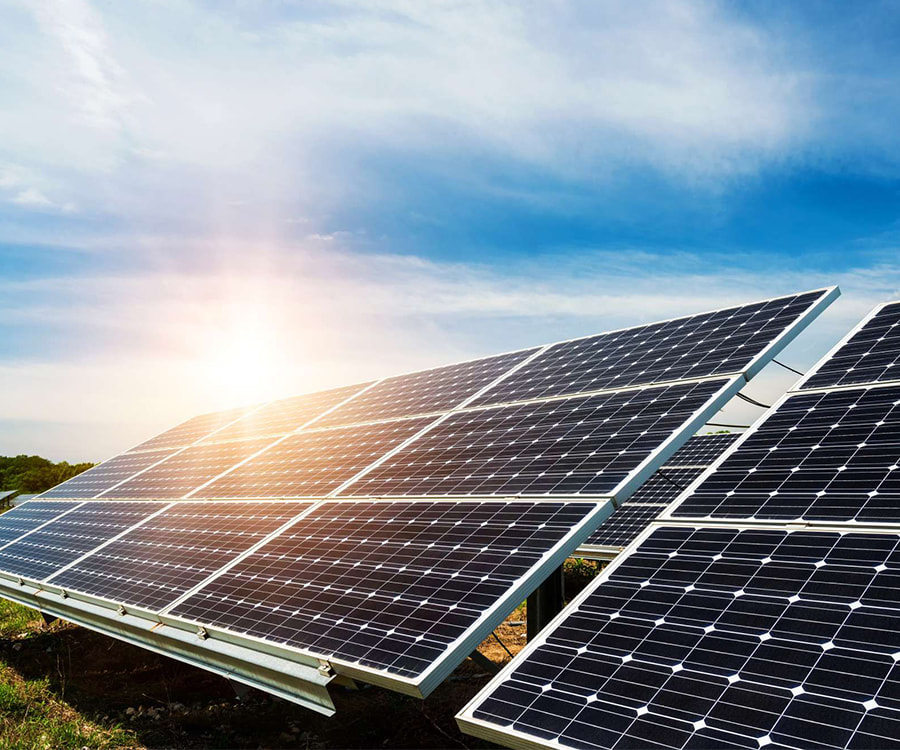
The fundamental difference between solar glass and ordinary glass is that solar glass integrates photovoltaic technology to generate electricity from sunlight while remaining visually transparent, whereas ordinary glass simply transmits, reflects, or blocks light without producing any energy. Beyond this core distinction, the two materials differ significantly in composition, light transmission characteristics, structural complexity, cost, thermal performance, and the range of applications they are suited to. Solar glass is an engineered functional material; ordinary glass is a passive optical and physical barrier.
Content
- 1 Composition and Manufacturing: Two Fundamentally Different Products
- 2 Comprehensive Feature Comparison
- 3 Light Transmittance: The Most Visible Practical Difference
- 4 Energy Performance: What Solar Glass Generates and What Ordinary Glass Cannot
- 5 Cost Difference: Solar Glass Carries a Significant Premium
- 6 Applications: Where Each Type of Glass Is Used
- 7 Durability and Maintenance: A Practical Difference for Building Use
Composition and Manufacturing: Two Fundamentally Different Products
The structural difference between solar glass and ordinary glass begins at the material and manufacturing level.
Ordinary Glass
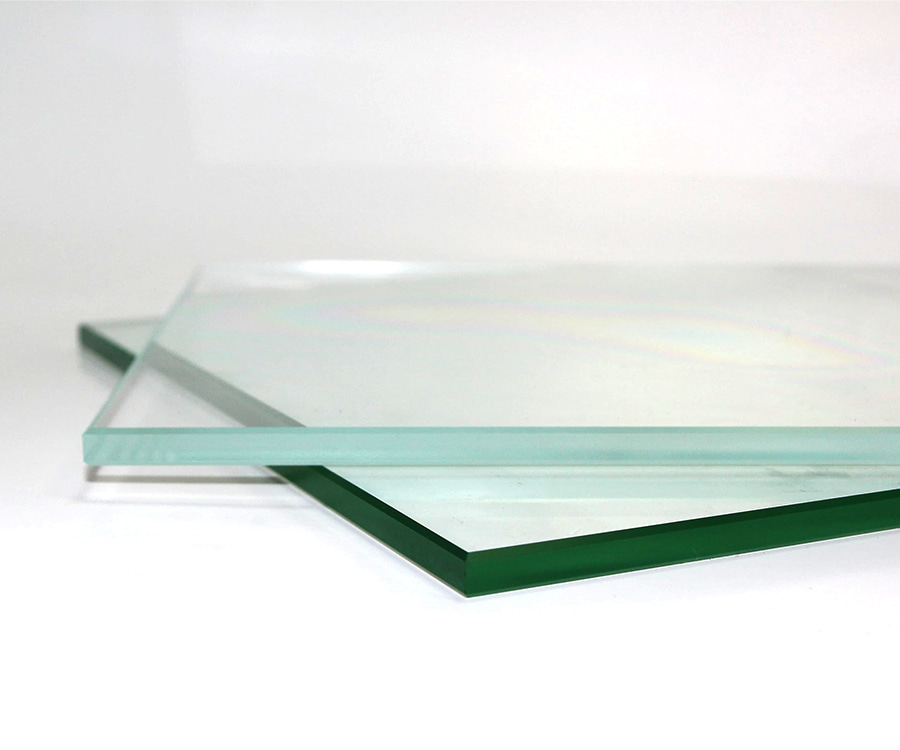
Ordinary glass — whether float glass, tempered glass, laminated glass, or insulating glass — is composed primarily of silica (SiO₂, approximately 70–75%), sodium oxide (Na₂O), calcium oxide (CaO), and small amounts of other oxides that modify hardness, chemical resistance, and thermal properties. It is manufactured by melting these raw materials at temperatures of approximately 1,500°C, floating the molten glass on a tin bath (the float glass process), and then annealing and cutting it. The result is a passive material whose primary properties are optical transparency, mechanical strength, and thermal insulation — none of which involve energy generation.
Solar Glass
Solar glass adds an active photovoltaic layer to the base glass structure. Depending on the specific technology, this is achieved through several different methods:
- Thin-film deposition: Photovoltaic semiconductor materials — most commonly amorphous silicon (a-Si), cadmium telluride (CdTe), or copper indium gallium selenide (CIGS) — are deposited onto the glass surface in layers 1 to 10 micrometers thick through physical vapor deposition (PVD) or chemical vapor deposition (CVD) processes
- Crystalline silicon lamination: Conventional monocrystalline or polycrystalline silicon solar cells are encapsulated between two glass layers using EVA (ethylene vinyl acetate) or PVB (polyvinyl butyral) interlayers — producing a laminated solar glass panel where the cells are visible but the structure remains partially transparent between cells
- Perovskite or organic photovoltaic (OPV) coatings: Emerging technologies that apply solution-processed semiconductor materials to glass, achieving high transparency with growing conversion efficiency
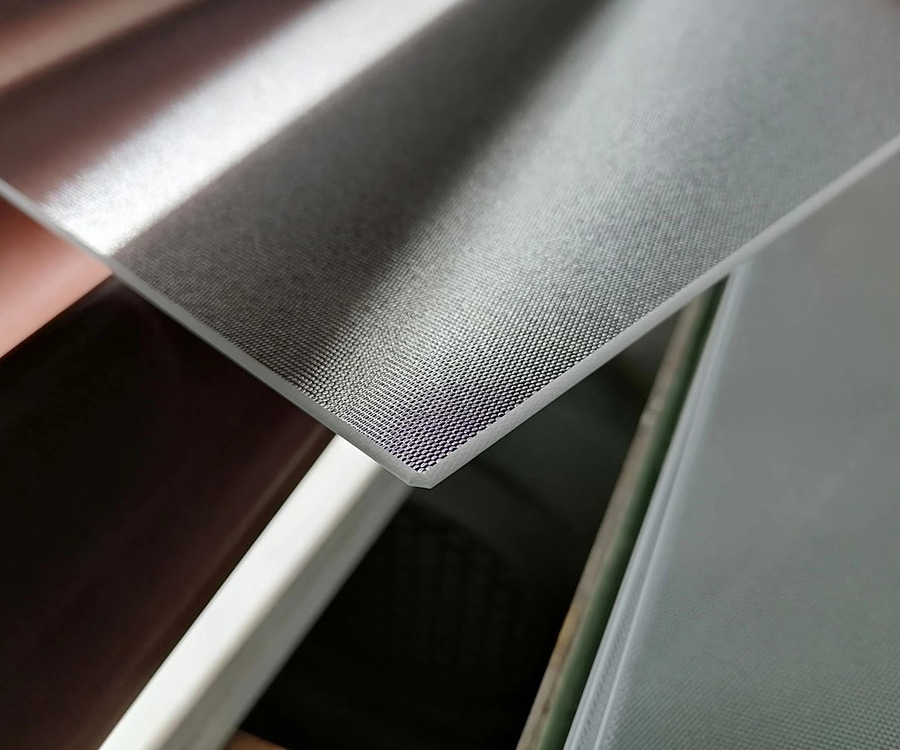
The base glass used in solar applications is typically low-iron tempered glass — a specific variant formulated to minimize the natural greenish tint of standard float glass (caused by iron impurities) and maximize solar transmittance. Low-iron glass achieves light transmission of 91–93%, compared to 82–88% for standard float glass, which is critical to solar energy conversion efficiency.
Comprehensive Feature Comparison
| Feature | Solar Glass | Ordinary Glass |
|---|---|---|
| Energy generation | Yes — converts sunlight to electricity | No |
| Light transmittance | 20–70% (adjustable by design) | 82–92% (clear float/tempered) |
| Base material | Low-iron tempered glass + PV layer | Standard soda-lime float glass |
| Structural complexity | High — multi-layer with electrical components | Simple — single or laminated glass only |
| Cost per m² | $150–$500+ depending on technology | $5–$60 (standard to specialty) |
| Conversion efficiency | 5–20% (technology dependent) | N/A |
| Thermal insulation (U-value) | Moderate to good (varies by design) | Good to excellent (IGU: 0.5–1.5 W/m²K) |
| Weight | Heavier — multi-layer construction | Lighter — single or double glazing |
| Maintenance | Requires electrical system inspection | Minimal — cleaning only |
| Primary application | BIPV, skylights, façades, vehicle roofs | Windows, doors, partitions, mirrors |
Light Transmittance: The Most Visible Practical Difference
Light transmittance is where the trade-off between energy generation and optical clarity becomes most apparent in everyday use. This is the difference that building occupants and vehicle users experience directly.
Standard clear float glass transmits 82–88% of visible light, and high-performance low-iron glass reaches 91–93%. Solar glass, by integrating photovoltaic material that absorbs photons to generate electricity, inherently reduces the light reaching the other side of the glass. The degree of reduction depends on the PV technology used:
- Thin-film amorphous silicon solar glass: Typically achieves 40–70% visible light transmission — the most transparent commercially available solar glass, suitable for building windows and skylights where daylighting is important alongside energy generation
- CIGS thin-film solar glass: Achieves transmittance of 20–45% — less transparent but typically higher in conversion efficiency, making it better suited to façade applications where energy output is prioritized over maximum daylighting
- Crystalline silicon cell laminated glass: Transmittance depends entirely on cell spacing — cells are opaque, but gaps between cells allow light through. Typical transmittance is 20–40%, producing a patterned rather than uniform transparency
This transmittance range means that solar glass used as a building window will make interior spaces noticeably darker than standard glazing — a trade-off that must be planned for in architectural design by ensuring adequate supplementary lighting or by selecting higher-transmittance solar glass variants for occupant-facing applications.
Energy Performance: What Solar Glass Generates and What Ordinary Glass Cannot
The defining advantage of solar glass over ordinary glass is its ability to generate useful electrical energy from incident solar radiation — converting a passive building or vehicle surface into an active power source.
The power generation performance of solar glass depends on the PV technology, installation angle, geographic location, and shading conditions. As a general benchmark:
- Thin-film solar glass in a building-integrated photovoltaic (BIPV) application typically generates 40–100 Watt-peak per square meter (Wp/m²) depending on the PV technology and transmittance level chosen
- A 100 m² solar glass façade in a mid-latitude location with good solar exposure (approximately 1,500 kWh/m²/year of irradiation) could generate approximately 4,500 to 9,000 kWh per year — equivalent to a significant portion of the annual electricity consumption of a commercial office floor
- Crystalline silicon laminated solar glass achieves higher conversion efficiencies of 15–22% per cell area, but since only part of the glass area is covered by cells (the rest is transparent gap), the overall panel efficiency is typically 10–14%
Ordinary glass, regardless of its type or quality, generates zero electrical energy. Its energy-related value is limited to its thermal insulation performance — reducing heating and cooling loads by controlling heat transfer through the building envelope.
Cost Difference: Solar Glass Carries a Significant Premium
Cost is one of the most significant practical barriers to broader adoption of solar glass and represents a major difference from ordinary glass in both initial investment and lifecycle economics.
Standard float glass costs approximately $5–$15 per square meter. Tempered safety glass ranges from $15–$40 per m², and insulating double-glazed units (IGUs) from $30–$80 per m². Solar glass, by contrast, currently costs $150–$500 per m² or more depending on the technology, efficiency, and customization level — representing a cost premium of 5 to 30 times the cost of conventional glazing.
However, the cost comparison must account for the revenue offset from electricity generation. A solar glass installation that generates electricity worth $0.10–0.20 per kWh will progressively recover its additional cost over its service life — typically 25 to 30 years. As thin-film deposition technologies mature and production scales, solar glass costs have been declining by approximately 5–10% per year, improving the economics of BIPV projects.
Applications: Where Each Type of Glass Is Used
The applications for solar glass and ordinary glass reflect their fundamentally different functions and cost structures.
Solar Glass Applications
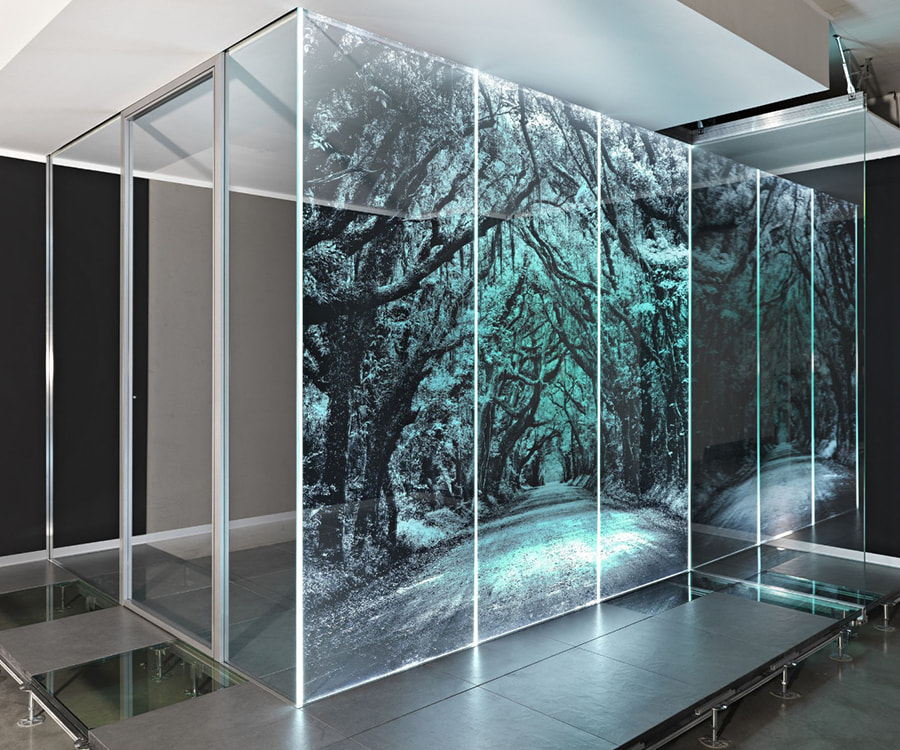
- Building-integrated photovoltaics (BIPV): Facades, curtain walls, skylights, canopies, and atriums in commercial and institutional buildings — where the glass serves both an architectural function and generates clean energy from the building's own envelope
- Automotive and transport: Panoramic sunroofs and roof panels in electric vehicles — where solar glass supplements battery range by generating power from the vehicle's roof surface during parking and driving
- Consumer electronics: Emerging applications in smartwatch faces, tablet back panels, and portable charger surfaces — generating supplementary power for devices in outdoor use
- Agricultural greenhouses: Transparent or semi-transparent solar glass roofs that generate electricity while still allowing sufficient light transmission for plant growth — a dual-use application increasingly explored in agrivoltaic research
Ordinary Glass Applications
- Standard window and door glazing in residential and commercial buildings — where maximum light transmission, thermal insulation, and acoustic performance are the primary requirements
- Interior partitions, balustrades, shower enclosures, and furniture — where transparency, safety (tempered or laminated), and aesthetics are prioritized over energy function
- Automotive windshields and side windows — where optical clarity, safety lamination, and acoustic properties are critical and cost constraints make solar glass uneconomical for most vehicle applications currently
- Display cases, mirrors, and optical instruments — where specific refractive, reflective, or thermal properties are required that PV integration would compromise
Durability and Maintenance: A Practical Difference for Building Use
Both solar glass and ordinary glass are durable materials with expected service lives of 25 to 30 years or more in building applications. However, their maintenance requirements differ significantly due to the electrical components integrated into solar glass.
Ordinary glass requires only periodic cleaning to maintain optical performance and appearance. Solar glass requires cleaning for the same optical reasons — accumulated dust and soiling on the outer surface can reduce light transmission and thereby reduce power output by 10–25% per year if left uncleaned. But solar glass additionally requires:
- Periodic inspection and testing of electrical connections, junction boxes, and wiring to identify degradation or faults in the PV circuit
- Monitoring of electrical output against expected generation to identify early-stage PV layer degradation before it becomes significant
- Careful handling and replacement protocols, as damage to the PV layer or encapsulant interlayer affects not only the structural performance of the glass but also its electrical safety
The thin-film PV layers used in solar glass are inherently robust and sealed within the glass laminate, but the electrical infrastructure — inverters, cabling, monitoring systems — adds maintenance obligations that ordinary glass simply does not have.