 English
 中文简体
中文简体 Español
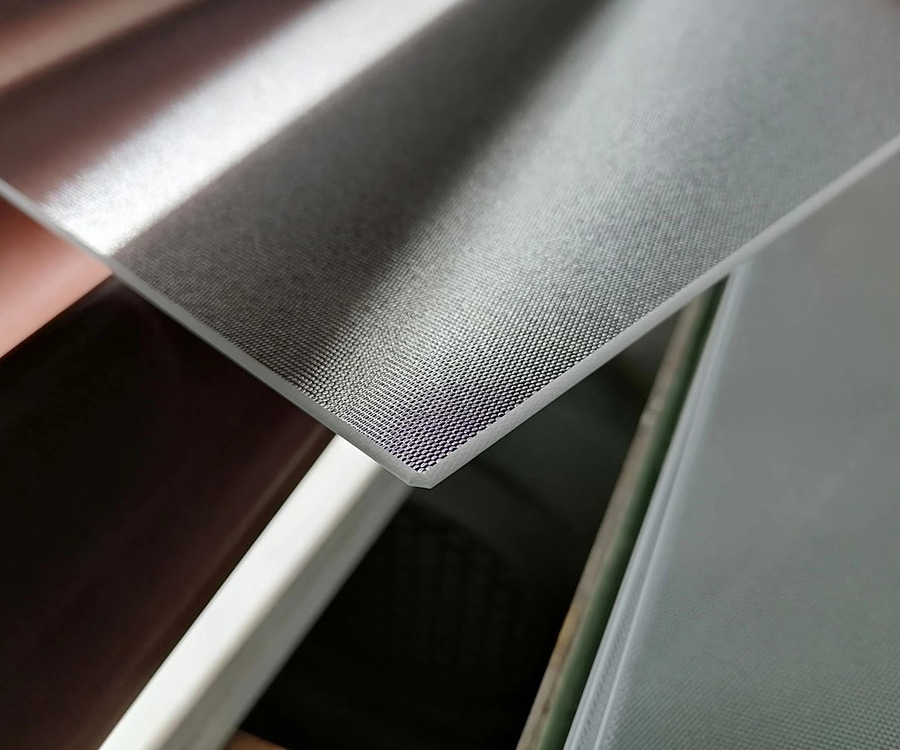
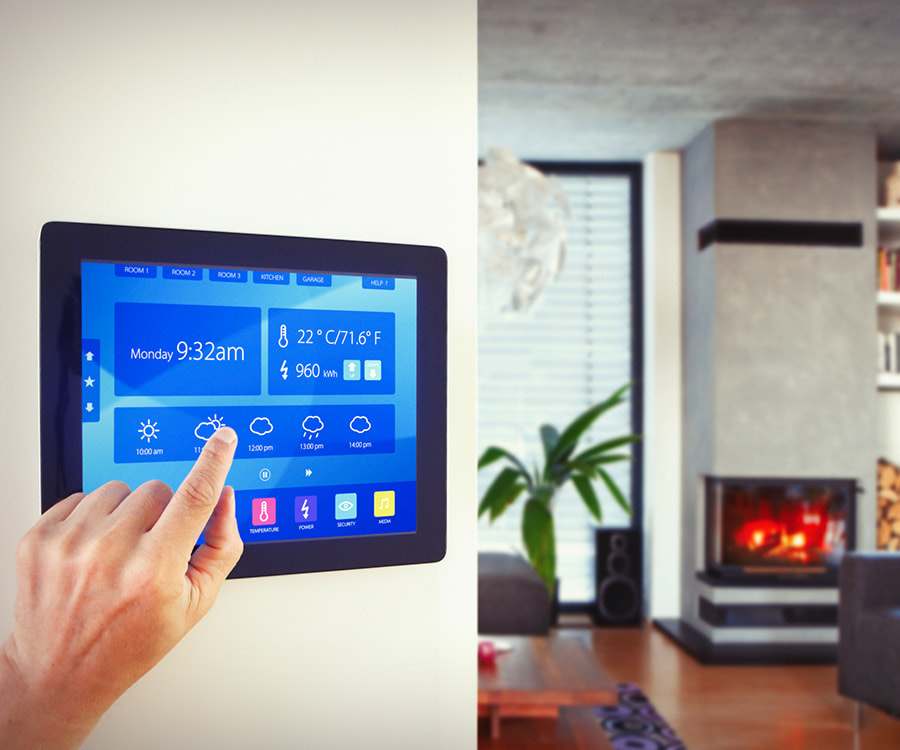
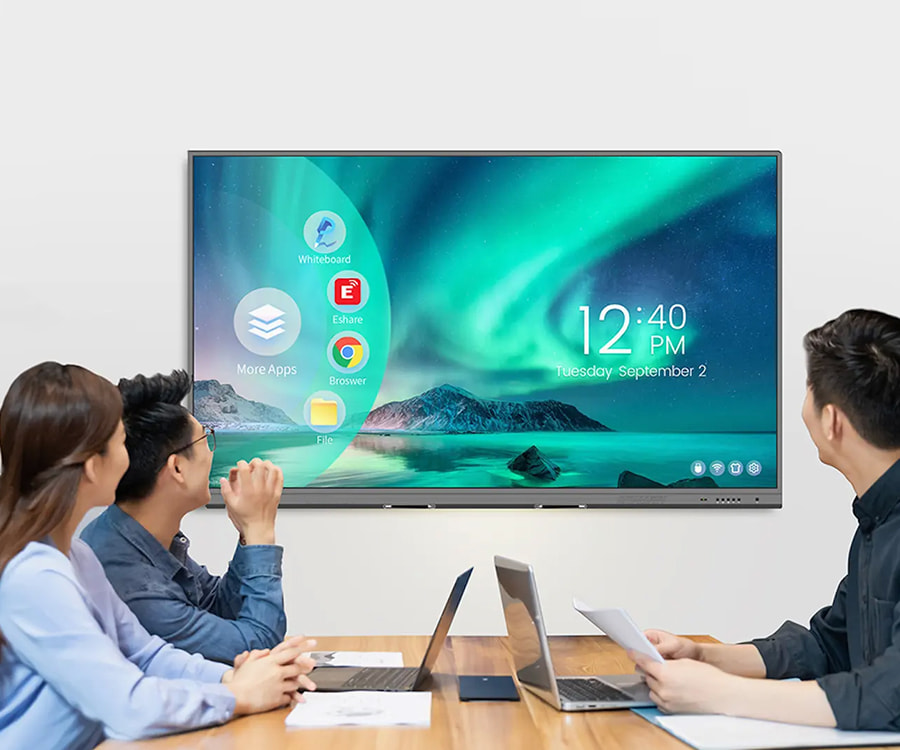
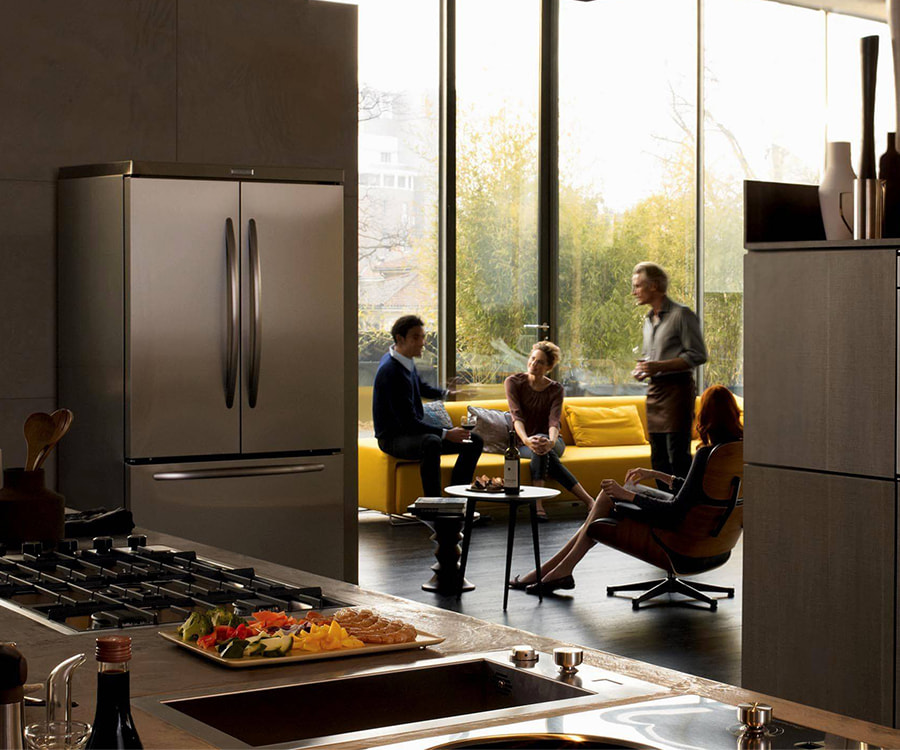
Household Glass is a highly versatile and widely used high-tech material with applications across various areas of home life. Its uses span five core fields: home appliance panels and touch interfaces, furniture decoration and lighting, building envelopes and windows, smart home integration, privacy dimming, and energy-saving temperature control.
Modern household glass goes far beyond its traditional role as a transparent partition material. By integrating glass substrates with optoelectronic technology, nanocoatings, touch sensors, and smart control systems, household glass is delivering unprecedented functionality, aesthetics, and innovative experiences to homes. According to statistics, the global household glass market reached approximately USD 128 billion in 2023, and is expected to grow at a compound annual growth rate (CAGR) of 6.2%, continuing to expand until 2028, making it one of the core materials for modern home upgrades.
Content
- 1 Major Types and Core Properties of Household Glass
- 2 Core Applications of Household Glass in Home Appliances
- 3 Applications of Household Glass in Furniture and Interior Decoration
- 4 Lighting Glass
- 5 Daily Maintenance and Safety Considerations for Household Glass
- 6 Purchasing Household Glass: Key Principles
Major Types and Core Properties of Household Glass
Understanding the classification of household glass is key to grasping its various uses. According to their functional properties, household glass can be divided into the following major categories:
| Glass Type | Core Features | Light Transmission | Typical Thickness | Main Application Scenarios |
| Tempered Glass | 5–10 times stronger than regular glass, breaks into blunt fragments | ≥91% | 4–19mm | Home appliance panels, shower rooms, tabletops, cabinet doors |
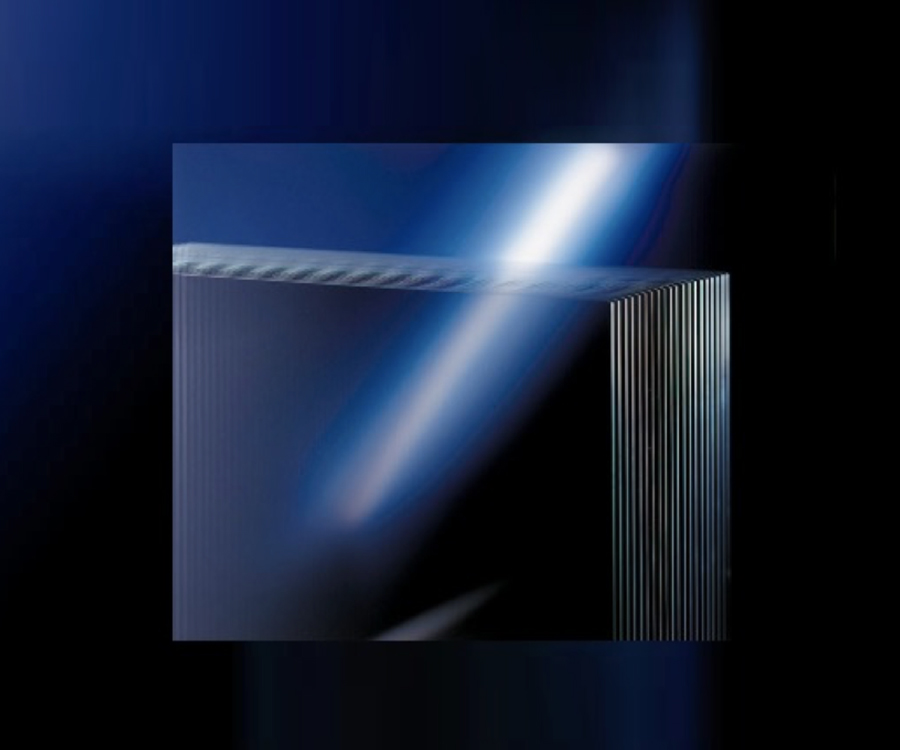
| Ultra-Clear Glass (Low-Iron Glass) | Iron content ≤0.015%, extremely high light transmission | ≥92% | 3–12mm | Appliance display screens, high-end cabinet glass, display cases for artwork |
| Laminated Safety Glass | Middle PVB/SGP layer prevents splintering, soundproof | ≥88% | 6–25mm (including laminate) | Staircase handrails, furniture tabletops, partitions |
| Insulated Glass | Double or triple glass with inert gas, heat and sound insulation | ≥75% (double layer) | 18–42mm (overall) | Doors, windows, balconies, curtain walls |
| Smart Dimming Glass (PDLC) | Transparent when powered, frosted when powered off, switches in milliseconds | 0%–80% adjustable | 6–12mm | Bedroom partitions, bathroom doors, meeting rooms |
| Low-E Coated Energy-Saving Glass | Low-emissivity coating, reflects thermal radiation, keeps warm in winter and cool in summer | ≥70% (visible light) | 4–8mm (single layer) | Home windows, sunrooms, energy retrofitting |
| Anti-Blue Light Glass | Filters blue light in the 380–450nm range, protects eyesight | ≥88% (visible light) | 2–6mm | Household screens, phone protective glass, lampshades |
| Self-Cleaning Glass | Nano TiO2 coating decomposes organic dirt via photocatalysis | ≥90% | 4–10mm | Exterior windows, balconies, solar panel covers |
Core Applications of Household Glass in Home Appliances
Home Appliance Panels and Displays
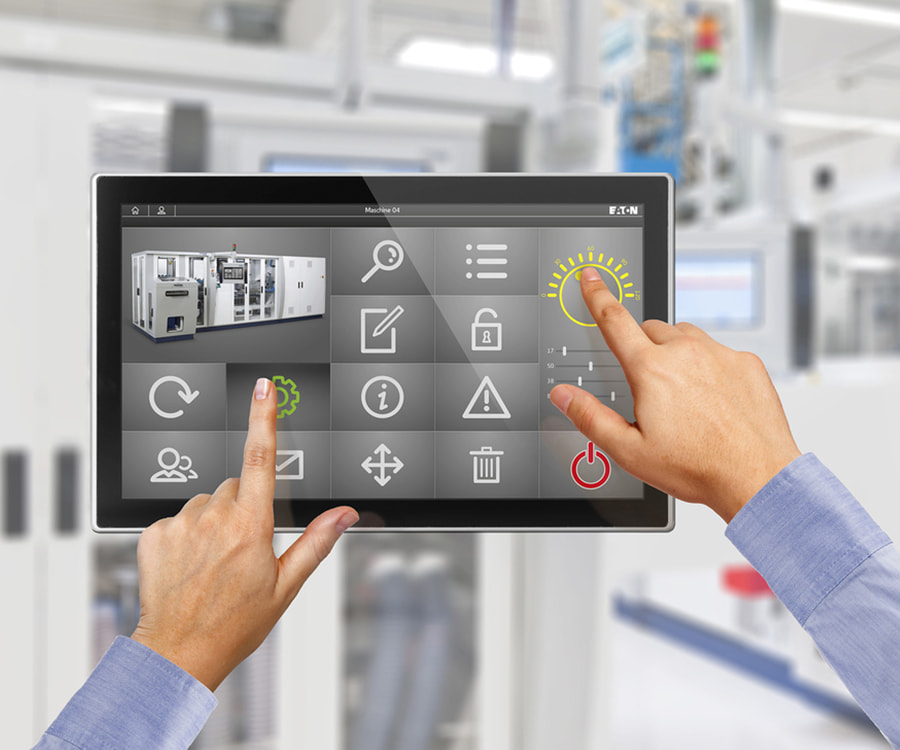
Household glass is an essential component of modern smart home appliances. Its applications in this sector cover display panels, touch interfaces, and decorative outer shells. Key technical specifications include:
High Transparency: Ultra-clear glass for home appliances has a light transmission rate ≥92%, much higher than ordinary soda-lime glass (87%–89%), making LCD screens and OLED panels display more vivid and realistic colors.
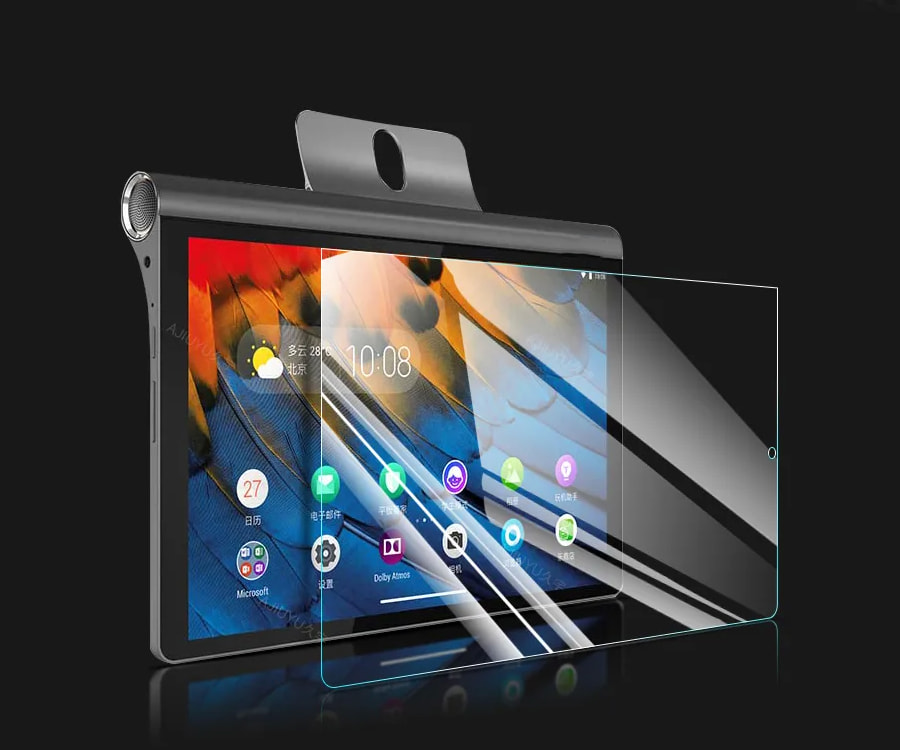
Scratch and Wear Resistance: Chemically strengthened (e.g., Corning Gorilla Glass, Mohs hardness of approximately 6–7H) glass for appliance panels can withstand 800g/1000 times of steel wool testing without significant scratches.
Fingerprint Resistant Coating: Surfaces coated with OCA optical adhesive or AF (anti-fingerprint) coatings, with a contact angle ≥110°, reducing fingerprint adhesion by about 60%, making it easier to clean and maintain.
Explosion-Proof Safety: High-temperature tempered glass (with a temperature tolerance ≥300℃) is used for the observation windows of built-in ovens and microwave ovens, meeting the GB 15763.2 safety standards for explosion resistance.
Applications of Household Glass in Furniture and Interior Decoration
Furniture Glass: The use of Household Glass in furniture has a long history, but modern technology has endowed it with richer forms and superior practical performance:
| Furniture Application | Recommended Glass Type | Specifications | Design Advantages |
| Glass Dining Tables / Coffee Tables | 10mm and above tempered glass | Thickness: 10–19mm, bevel edge R10mm | High transparency, easy to clean, heat and scratch resistant |
| Cabinet Glass Sliding Doors | 5mm ultra-clear tempered glass | Thickness: 4–6mm, tempered | Lightweight visual effect, showcases items inside, enhances spatial sense |
| Bedroom Wardrobe Sliding Doors | Laminated glass / Art-painted glass | Thickness: 6mm with PVB laminate | Customizable patterns, safety against breakage, soundproof effect |
| Shower Room Glass | 8–10mm tempered glass | Thickness: 8mm or more, tempered + explosion-proof film | Water-resistant, anti-fog, safety from breakage, clear space feel |
| Glass Stair Handrails | 12mm and above laminated glass | Thickness: 12–17.52mm (laminated) | Modern transparent feel, safety guard, meets GB 7544 standards |
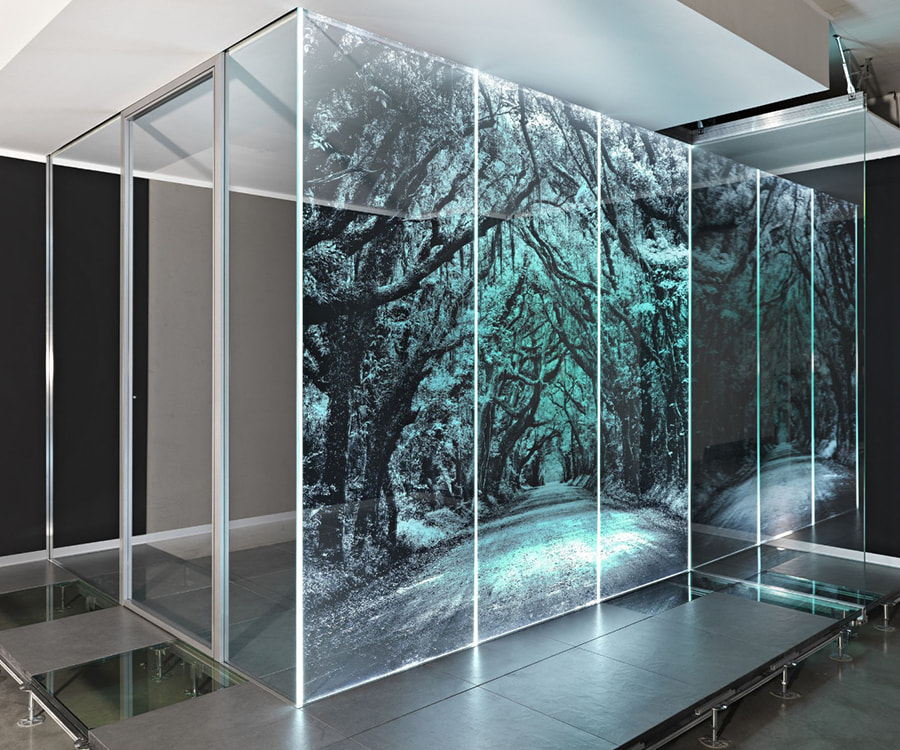
| Glass Partition Walls | Ultra-clear laminated glass / Smart dimming glass | Thickness: 8–15mm | Divides space without blocking light, optional dimming for privacy |
Lighting Glass
Frosted Glass Lamp Shades: Light transmission of about 60%–75%, providing soft and even light, effectively reducing glare, ideal for bedroom chandeliers and bedside lamps, protecting eyesight while creating a warm atmosphere.
Colored Artistic Glass Lamp Shades: Made from colored glass (lead crystal or soda-lime colored glass), refracts colored light spots, enhancing dining ambiance when used in dining room chandeliers.
Crystal Glass Chandeliers: High-refraction lead crystal glass (refractive index n ≥1.52) breaks light into a spectrum of colors, providing a luxurious and brilliant effect, ideal for living room main lighting.
Heat-Resistant Glass Lamp Shades: Borosilicate heat-resistant glass (e.g., SCHOTT DURAN) withstands short-term high temperatures up to 600℃, used for halogen lamps and high-power LED lighting fixtures.
Light Guide Glass (Optical Fiber Glass): Household decorative optical fiber glass panels guide light to multiple points at a distance, used for ceiling starry sky decorations, consuming 80% less power than traditional decorative lights.
Daily Maintenance and Safety Considerations for Household Glass
Daily Cleaning and Maintenance
Tempered Glass Tabletops / Appliance Panels: Wipe with a soft microfiber cloth dampened with a neutral glass cleaner. Avoid using steel wool or abrasive cleaning products to prevent scratching the surface coating.
Low-E Coated Window Glass: The coated side (usually facing indoors) should not be cleaned with alcohol or strong alkaline cleaners. Use water and a mild cleaner to gently wipe it to prevent the coating from peeling off.
Smart Dimming Glass: Clean the surface in the same way as regular glass, avoiding water exposure to the wiring parts. Check the electrical connections annually.
Spray-Painted Glass Wall Backgrounds: Avoid prolonged water immersion, and periodically reseal joints with glass adhesive to prevent moisture from penetrating and causing the paint to peel.
Safety Usage Considerations
Prevention of Spontaneous Breakage in Tempered Glass: High-quality tempered glass contains nickel-sulfur (NiS) impurities that cause a spontaneous breakage rate of about 3/10,000. For high-end applications, it is recommended to apply an explosion-proof film (≥4mil thickness) to keep fragments from scattering.
Thermal Shock in Appliance Glass Panels: Do not wash the high-temperature glass door of a built-in oven with cold water. A temperature difference greater than 80℃ can cause thermal shock and break the tempered glass.
Heavy Objects on Glass Tabletops: Avoid localized point loads (such as heavy objects dropping) on glass tabletops. It is recommended to use glass with a thickness of ≥10mm and place soft pads under heavy objects to distribute the pressure.
Electrical Safety of Smart Dimming Glass: Smart dimming glass operates at AC 220V. Installation should be carried out by a professional electrician, with cables protected by sheathing and proper grounding.
Household Glass: Household Glass has evolved from a simple transparent building material to a high-tech composite functional material that integrates optical performance, mechanical strength, smart interaction, energy-saving control, and aesthetic art. From home appliance touch panels to smart dimming partitions, from Low-E energy-efficient windows to transparent display glass, household glass is now embedded in every corner of modern home life. It meets the practical needs for functionality, safety, and energy efficiency, while bringing a unique experience of transparency, clarity, technology, and artistic beauty to home spaces.
Purchasing Household Glass: Key Principles
Safety First: All household tempered glass must have CCC certification. For load-bearing and safety areas (stairs, shower rooms), laminated glass with explosion-proof films is recommended.
Scene Matching: Choose the appropriate type based on the environment. For energy-saving applications, Low-E insulated glass is preferred, for privacy, smart dimming glass, and for decoration, artistic glass can be flexibly selected.
Quality Traceability: Choose deep-processed products made by first-line brands such as Xinyi, South Glass, and Qibin, and check inspection reports to ensure long-term safety and stable performance of household glass.