 English
 中文简体
中文简体 Español
With the increasing popularity of green buildings and sustainable development concepts, Solar Glass, as an innovative building material, is gradually entering the construction industry's spotlight. Solar Glass not only provides the basic functions of traditional glass but also utilizes solar energy to generate electricity, providing renewable energy for buildings.
Content
What is Solar Glass?
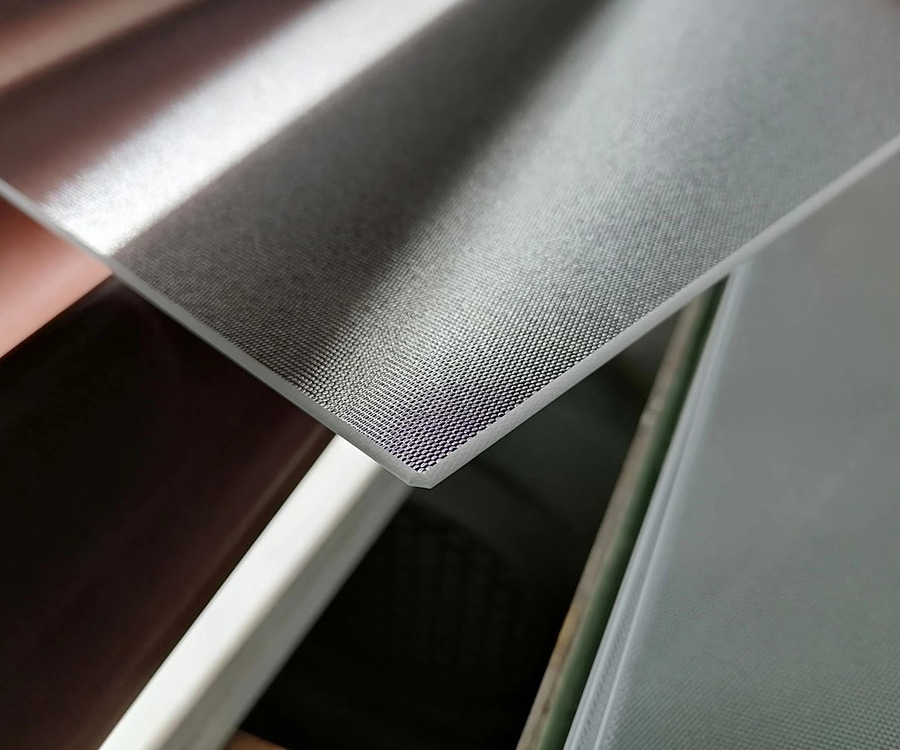
Solar Glass, also known as photovoltaic glass, is an innovative building material that combines photovoltaic power generation technology with transparent glass. By integrating thin-film photovoltaic modules on the surface or inside the glass, it converts sunlight into electricity. Solar Glass not only has the transparency and aesthetic qualities of conventional building glass but also provides energy for buildings, helping to reduce carbon footprints and improve energy efficiency.
1.1 How Solar Glass Works
The working principle of Solar Glass is similar to traditional solar panels. Through photovoltaic technology, Solar Glass captures sunlight and converts it into electricity, which can be used internally in the building or fed into the power grid. Depending on the design, Solar Glass can be semi-transparent or fully transparent, suitable for different building needs.
1.2 Types of Solar Glass
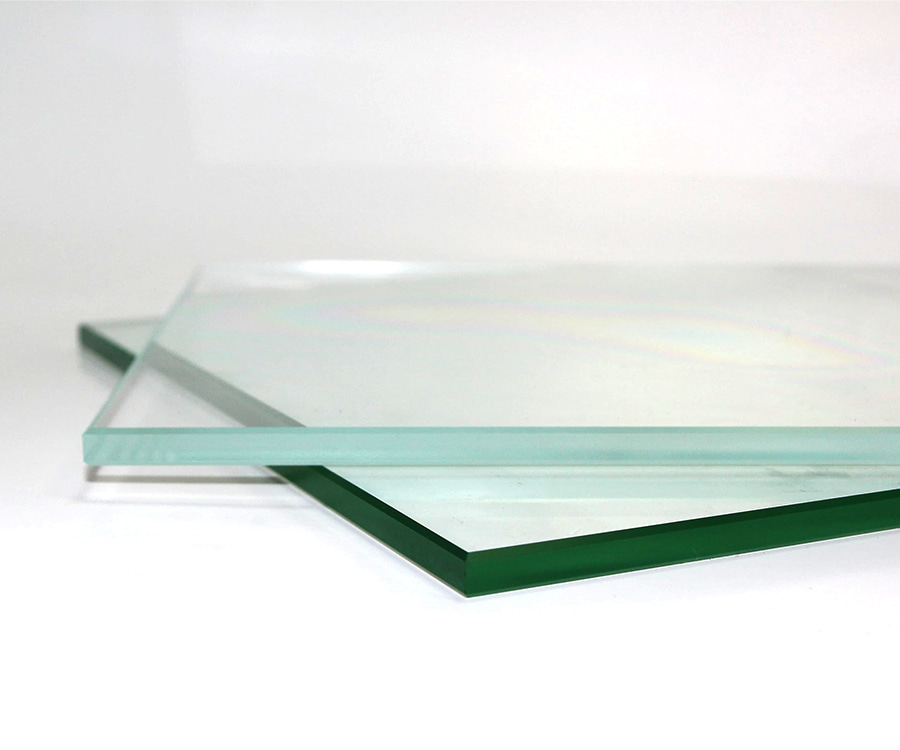
Transparent Photovoltaic Glass: High transparency, suitable for windows, curtain walls, and areas where a clear view is required.
Semi-Transparent Photovoltaic Glass: Lower light transmission, ideal for building facades or rooftops.
Tinted Photovoltaic Glass: Designed with colors that blend with the architectural style, offering stronger decorative appeal.
Advantages of Solar Glass
As a component of building materials, Solar Glass offers many unique advantages, making it an essential part of green buildings and energy-efficient designs.
2.1 Renewable Energy Utilization
The greatest advantage of Solar Glass is its ability to convert sunlight into electricity, reducing reliance on traditional energy sources. As global demand for sustainable building materials continues to rise, Solar Glass, as a self-sustaining building component, aligns with future energy needs. For example, a 20-square-meter piece of Solar Glass can generate around 2,000 watts of power, enough to meet the basic electricity needs of a small home.
2.2 Environmental Friendliness
Solar Glass reduces carbon emissions from buildings and helps decrease energy consumption. Compared to traditional building materials, the production of Solar Glass emits less carbon dioxide, and it does not require fossil fuel consumption during its use. Additionally, Solar Glass has a high recycling value after use, contributing to the overall sustainability of buildings.
2.3 Aesthetics and Functionality Combined
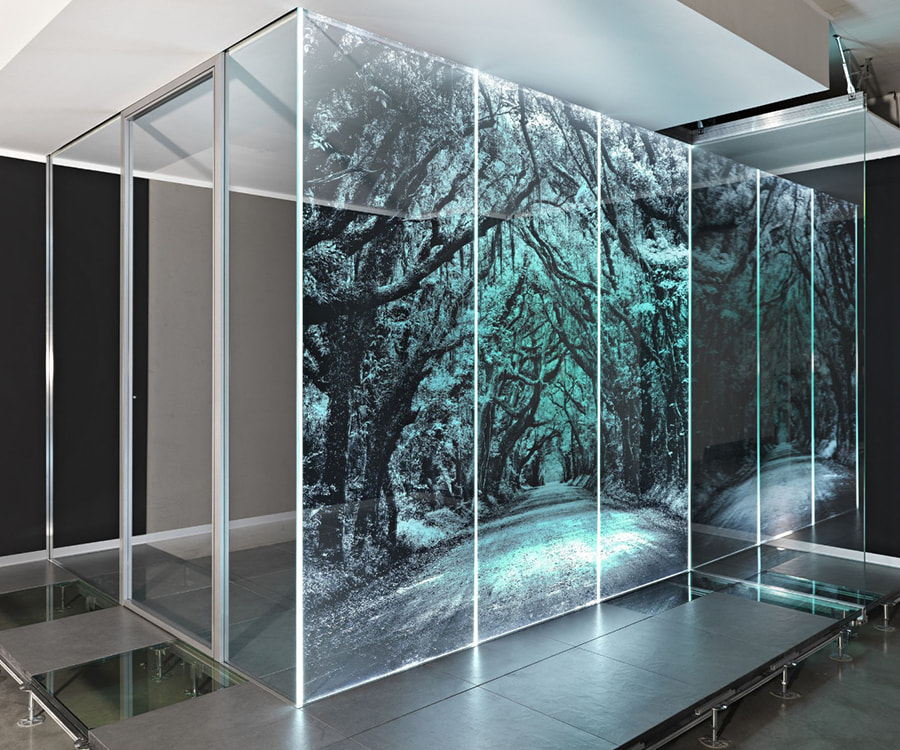
Solar Glass not only provides electricity but also serves as an attractive building façade material. It can be designed in various shapes, colors, and textures, blending perfectly with modern architectural aesthetics. Transparent or semi-transparent photovoltaic glass can maintain natural daylight while reducing the need for artificial lighting, further enhancing building energy efficiency.
2.4 Reduction in Energy Costs
Solar Glass provides buildings with self-sufficient electricity, meaning the building’s energy needs can be partially met, significantly reducing electricity purchase costs. For example, buildings using Solar Glass can feed excess electricity back into the grid, earning additional income or subsidies.
Comparison Between Solar Glass and Traditional Building Materials
Below is a comparison between Solar Glass and traditional building materials to better understand their performance in different application scenarios:
Solar Glass, as an innovative building material, indeed offers many advantages, especially in terms of energy savings and environmental protection. With continuous advancements in technology and reductions in production costs, Solar Glass is expected to gradually replace some traditional building materials and become an important component of sustainable buildings in the future.